
Email marketing is a good way for B2B companies to get new leads. When businesses spend money on paid ads, social media and search engine optimization email marketing is still one of the best ways to get in touch with the people who make decisions.
The people who do research at HubSpot found out that email marketing is very good at getting marketing- leads. Forbes Advisor also looked at some numbers. Found that email marketing can give you a return on investment of 36 to 42 dollars for every dollar you spend which makes it one of the best marketing strategies. If companies use a planned approach to email lead generation they can make their sales more predictable. Get a better return on their marketing investment.
For B2B companies that want to market to executives, managers and department heads email marketing is a way to send them useful information build relationships with potential buyers and turn them into qualified leads.
This information will show you how businesses can use email marketing to get B2B leads, including the approach, tools, examples, standards and best practices.
What Is Email Marketing for B2B Lead Generation?
Email marketing for B2B lead generation is a way for businesses to market to clients build relationships and turn them into qualified leads. These campaigns usually include materials, industry information, case studies and product details to help potential buyers make a decision.
B2B email campaigns are different from consumer marketing because they are meant for audiences, like executives, managers, IT leaders and procurement teams. By segmenting, personalizing and automating the marketing process businesses can interact with buyers at different stages of the sales process.
How Email Marketing Generates B2B Leads
The process of generating B2B leads through email marketing usually involves steps.
| Step | Description |
| Build a contact database | Collect business contacts through forms, events, or content downloads |
| Segment audiences | Divide contacts by industry, job role, company size, or behavior |
| Create valuable content | Share reports, guides, case studies, or webinars |
| Automate email sequences | Send nurture emails over time |
| Convert prospects | Encourage demos, consultations, or meetings |
When companies do things right they can always get leads and have a sales pipeline that they can count on.
Why Email Marketing Is Important for B2B Lead Generation
When businesses buy things they usually take a time to make a decision and a lot of people are involved. Email marketing helps companies stay in touch with customers during this long process. The good things about email marketing are:
- Companies can keep talking to the people who make decisions.
- It is cheaper than paying for ads.
- Companies can send messages that are tailored to each person.
- It can automatically help take care of leads.
- Companies can see how well their campaigns are doing.
There was a study about how email’s used for business and it found out that 86 percent of professionals use email for work. So email is one of the ways to communicate with people at work.
Also email marketing helps build relationships that last a time. Companies do not have to send sales messages they can send useful information and help potential customers make a purchase.
Email Marketing Benchmarks for B2B Campaigns
It is helpful for companies to know what is normal, in the industry so they can see how their campaigns are doing and find ways to make them better.
| Metric | Average Benchmark | Explanation |
| Email Marketing ROI | $36–$42 per $1 spent | High return compared to other marketing channels |
| Average Open Rate | 15–25% | Percentage of recipients opening emails |
| Average Click Rate | 2–5% | Percentage clicking email links |
| Conversion Rate | 2–5% | Leads generated from campaigns |
| Preferred Communication Channel | 86% email | Professionals prefer email communication |
These benchmarks vary depending on audience quality, industry sector, and campaign strategy.
The B2B Email Marketing Funnel
Effective email campaigns guide prospects through the marketing funnel.
Top of Funnel (Awareness)
At the awareness stage, prospects are learning about industry problems and exploring potential solutions.
Typical email content includes:
- industry research reports
- educational blog content
- market trend analysis
- whitepapers and guides
These emails focus on building awareness and credibility.
Middle of Funnel (Consideration)
At this stage, prospects are comparing vendors and evaluating solutions.
Email campaigns may include:
- product comparison guides
- customer case studies
- expert webinars
- technical documentation
The objective is to demonstrate expertise and help prospects evaluate available solutions.
Bottom of Funnel (Decision)
In the final stage, prospects are ready to speak with sales teams.
Email campaigns may include:
- product demo invitations
- consultation offers
- free trials
- meeting requests
These emails help convert marketing leads into sales opportunities.
Building a High-Quality B2B Email List
The effectiveness of email marketing largely depends on the quality of the contact database.
B2B marketers collect contact information that enables better personalization and segmentation.
| Data Field | Purpose |
| Job Title | Identify decision-makers |
| Company Size | Target enterprise or SMB markets |
| Industry | Enable industry-specific messaging |
| Location | Support geographic targeting |
| Buying Stage | Determine lead nurturing strategy |
Businesses typically collect contacts through:
- webinar registrations
- downloadable resources
- website lead forms
- industry events
- content syndication campaigns
Organizations specializing in B2B demand generation services, such as Arkentech Solutions, often combine content distribution with email nurturing programs to build and engage high-quality business databases.
Email Segmentation for Higher Engagement
Segmentation significantly improves email campaign performance.
Segmentation involves dividing contacts into groups based on shared characteristics.
| Segmentation Type | Example |
| Industry | Healthcare, Finance, Technology |
| Company Size | Enterprise vs mid-market |
| Job Role | CIO, Marketing Director, IT Manager |
| Behavior | Webinar attendees, content downloads |
| Buying Stage | Awareness, evaluation, decision |
Segmented campaigns allow businesses to send relevant content to each audience group, increasing engagement and conversion rates.
Personalization in B2B Email Marketing
Personalization plays an important role in improving email engagement.
Personalized emails may include:
- recipient name
- company name
- job role
- industry-specific insights
- previous content engagement
Research shows that personalized subject lines can significantly improve email open rates.
Examples of personalized subject lines include:
- “How CIOs Are Securing Hybrid Cloud Infrastructure”
- “New Research Report for Finance Technology Leaders”
- “A Guide for Marketing Directors Scaling Demand Generation”
These subject lines emphasize insights and expertise rather than direct product promotion.
Best Email Marketing Tools for B2B Lead Generation
Several marketing platforms help businesses manage campaigns, automate workflows, and track performance.
| Tool | Key Features | Best For |
| HubSpot | CRM integration and automation | Inbound marketing |
| Mailchimp | Easy campaign creation | Small to mid-size businesses |
| ActiveCampaign | Advanced automation | Lead nurturing |
| Marketo | Enterprise marketing automation | B2B demand generation |
| Salesforce Marketing Cloud | Full marketing automation | Large organizations |
These tools help companies create targeted campaigns, automate workflows, and measure engagement.
Practical Example: B2B Email Lead Generation Campaign
A structured email campaign can generate qualified leads through a sequence of targeted communications.
Step 1: Create Valuable Content
Develop a downloadable resource such as:
“2026 Cloud Security Market Trends Report”
Step 2: Collect Leads
Promote the resource using:
- landing pages
- website forms
- content syndication
- paid advertising
Prospects submit their information to download the resource.
Step 3: Send a Welcome Email
After download, send an email including:
- resource link
- additional insights
- introduction to your company
Step 4: Lead Nurturing Emails
Send a series of educational emails.
| Content | |
| Email 1 | Welcome message and report |
| Email 2 | Industry trends analysis |
| Email 3 | Customer success story |
| Email 4 | Webinar invitation |
| Email 5 | Product demo offer |
Step 5: Convert Leads
The final email invites prospects to:
- request a consultation
- schedule a demo
- speak with an expert
This stage converts marketing leads into sales opportunities.
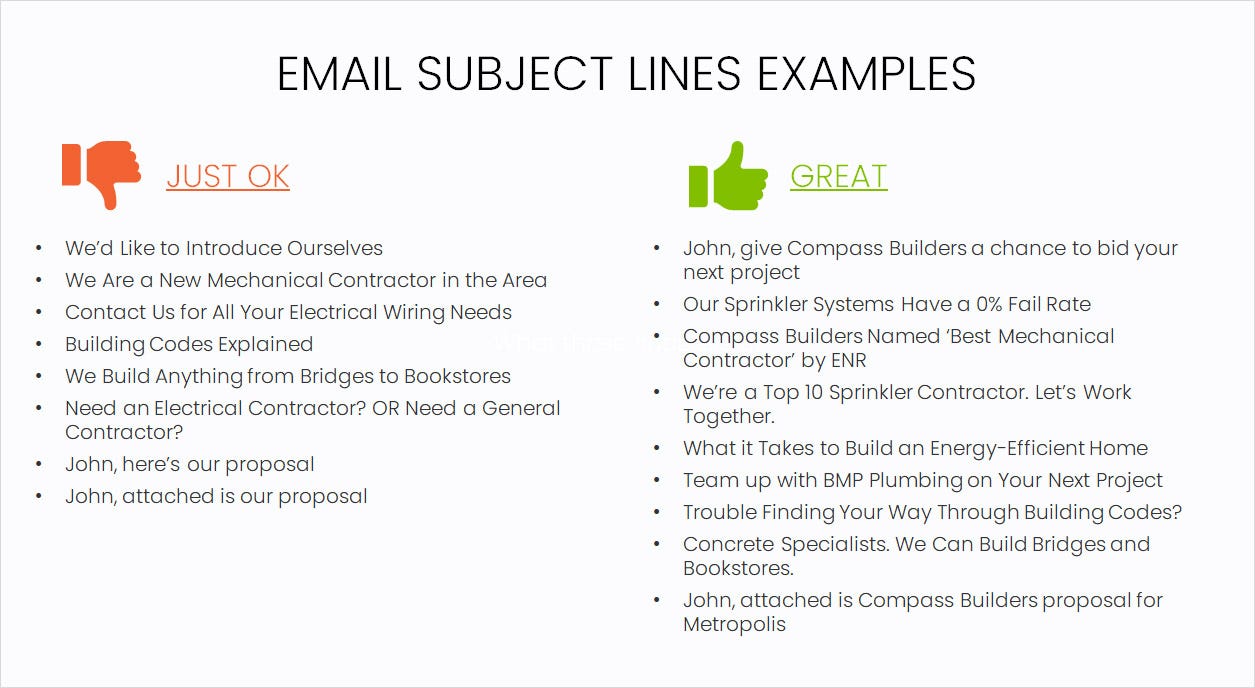
High-Performing B2B Email Subject Lines
Subject lines play a major role in determining email open rates.
Examples include:
- “2026 Research Report: The Future of Enterprise Security”
- “How Companies Reduced IT Costs by 30%”
- “Exclusive Webinar for Technology Leaders”
- “New Guide: Enterprise Data Management Strategy”
- “Top Digital Marketing Trends Every CMO Should Know”
Subject lines highlighting research, insights, or educational value generally perform better.
Measuring Email Marketing Success
Monitoring campaign metrics helps marketers optimize performance.
| Metric | Meaning |
| Open Rate | Percentage opening the email |
| Click-Through Rate | Percentage clicking links |
| Conversion Rate | Leads generated |
| Bounce Rate | Undelivered emails |
| Unsubscribe Rate | Audience disengagement |
Optimization strategies include:
- testing subject lines
- adjusting send times
- improving segmentation
- refining email content
Best Practices for B2B Email Lead Generation
To maximize results, organizations should follow several best practices.
Focus on Educational Content
Emails should provide insights and knowledge rather than aggressive sales messaging.
Maintain Consistent Communication
Regular email communication keeps your brand visible throughout the buying cycle.
Optimize Emails for Mobile Devices
Many professionals read emails on smartphones and tablets.
Test Campaign Elements
A/B testing subject lines, design, and messaging improves campaign performance.
Follow Data Privacy Regulations
Email campaigns must comply with regulations including:
- GDPR
- CAN-SPAM
- data protection laws
Compliance builds trust and protects organizations from legal risks.
Conclusion
Email marketing is a way to get new leads for businesses that work with other businesses. It is good because it gives a return on investment you can measure how well it is doing and it helps people who are thinking of buying something. So email is still an important way for businesses to market themselves to professionals.
If companies focus on getting contact information dividing their customers into groups making emails personal and automating the process they will be able to send emails that are relevant to the people they are sending them to. This will help them get leads and make their business grow over time.
When companies use email marketing along with marketing strategies, such as making good content using special software to automate marketing and analyzing data they will be able to build strong relationships, with potential customers and turn them into actual customers.
Email marketing will continue to be a part of helping businesses get new customers as digital marketing continues to grow.